
Every hurt animal is one step from help.
Help a hurt animal with one photo.

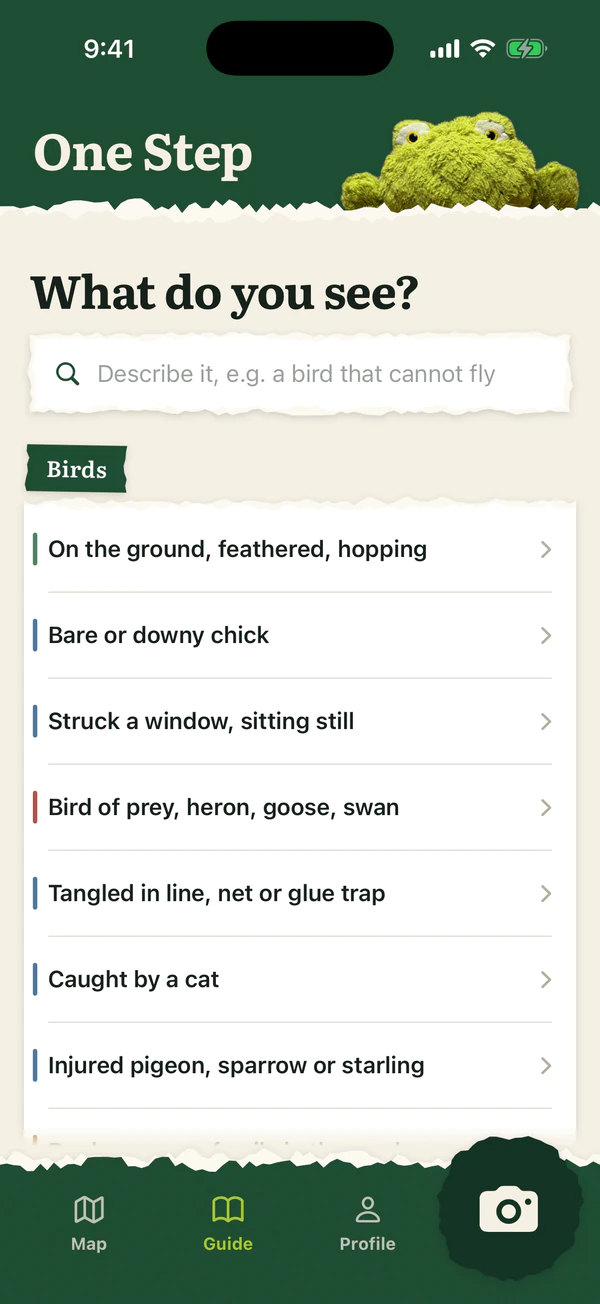
What do you see?
Tell One Step what you're looking at. It says whether to leave the animal, watch it, contain it or call for help, and what to do next.
-
Leave it
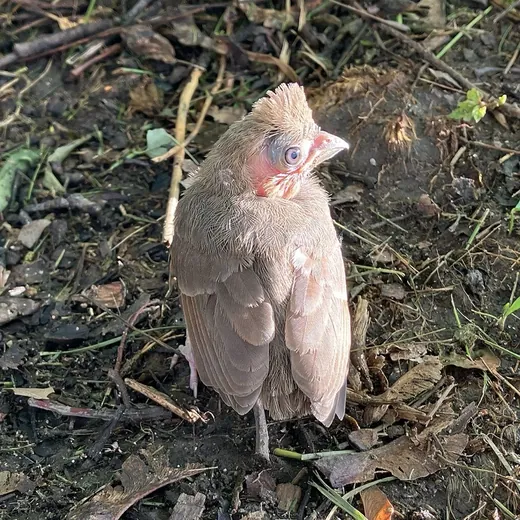
Baby bird on the ground, feathered, hopping around
-
Watch it
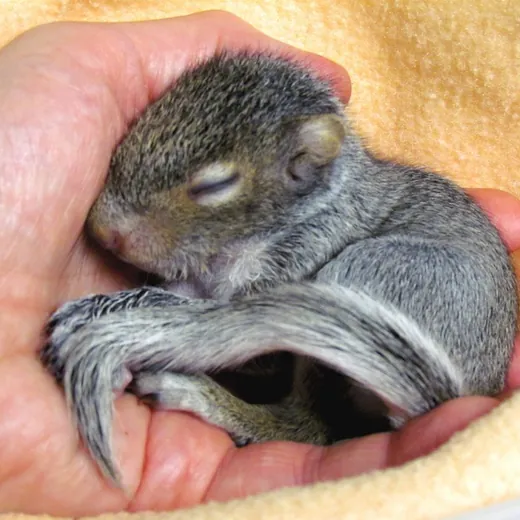
Baby squirrel on the ground, on its own
-
Contain and call
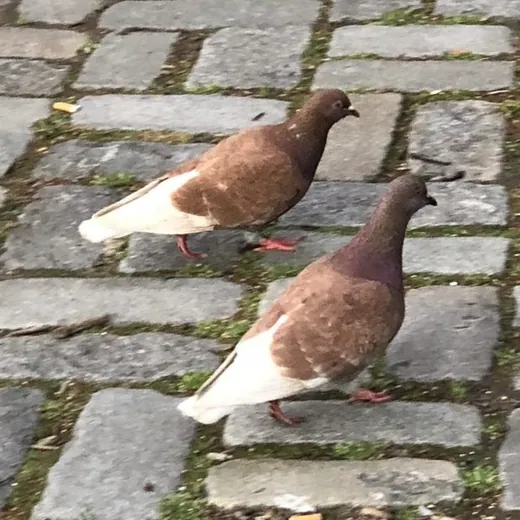
Injured pigeon, house sparrow or starling
-
Don't touch
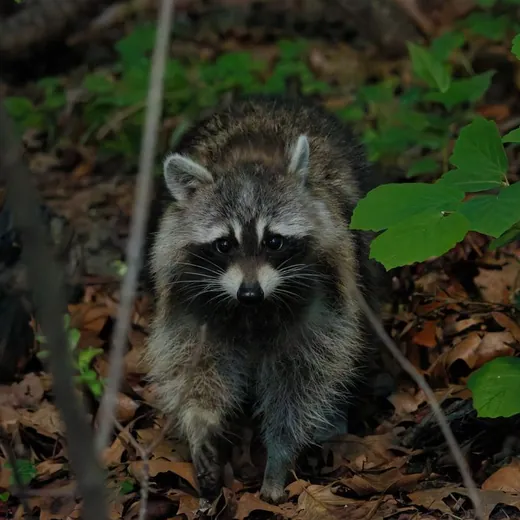
Raccoon, bat, skunk, fox or groundhog
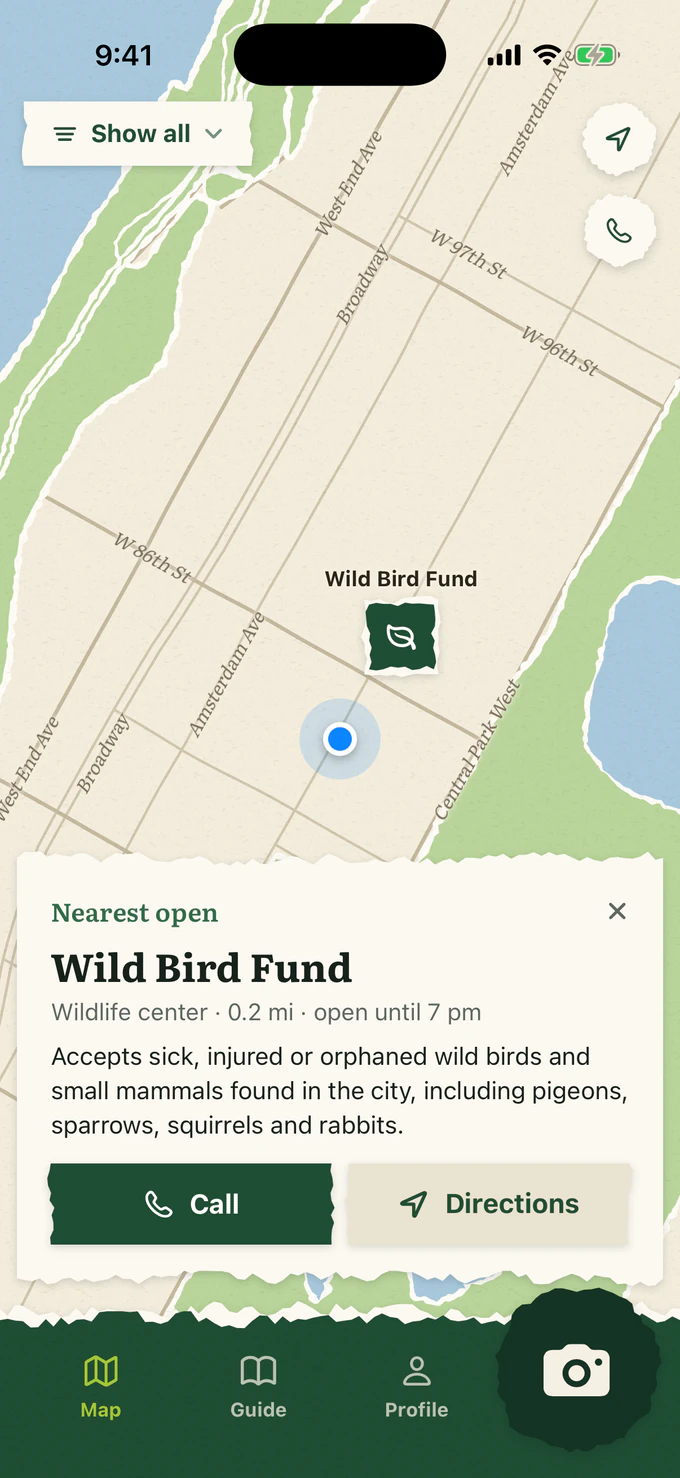
Who to call, on one map
Wildlife centers, emergency vets and shelters across the five boroughs. One Step shows the nearest one that's open, and you call it with one tap.
Nearest open
Wild Bird Fund
- Wildlife center
- Emergency vet
- Shelter
What One Step does
-
Tells you what to do
Photograph the animal and One Step shows you the steps for that situation, written to be read while you're standing there.
-
Tells you who to call
The places that take animals, with their hours and what each one accepts. Call with one tap.
-
Tells you when to walk away
Sometimes the right answer is to leave the animal alone. One Step says so, and explains why.
From one photo to what to do
You photograph the animal from where you stand, so you don't have to go near it to find out what it needs.
-
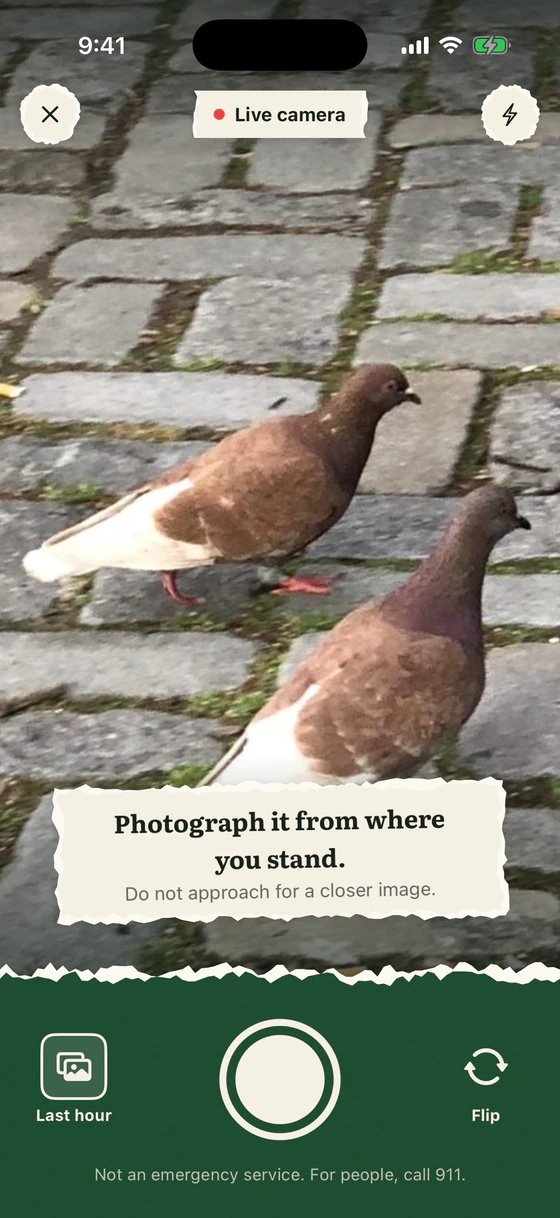
Take a photo
One Step suggests what kind of animal it is, on your phone.
-
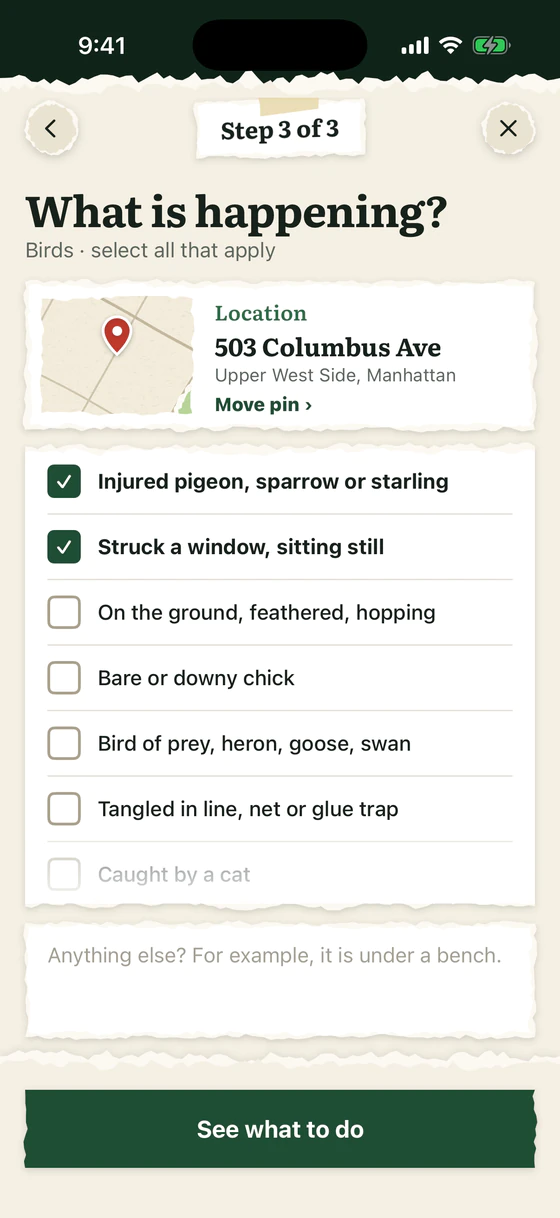
Say what's happening
Tick everything you can see. When more than one applies, the most serious one decides the card.
-
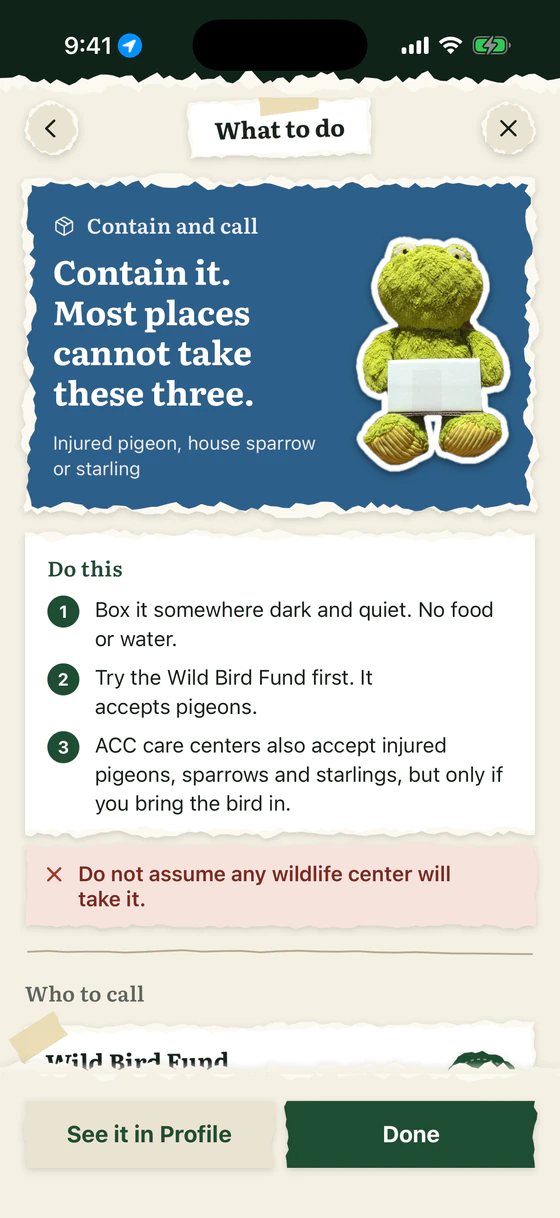
Do the first thing
The card starts with the verdict, then the steps in order, then who to call and whether they're open now.
-
Someone takes your case
A dispatcher reads your report, finds who can take the animal and messages you as it moves.
Most people who try to help make it worse
A baby bird hopping on the ground is usually fine. It's learning to fly, and its parents are close by. A fawn lying alone was left there on purpose by its mother.
The urgent cases often don't look it. A bird that has been in a cat's mouth can seem unhurt and still die within about two days from the bacteria in cat saliva. It needs a wildlife center the same day.
The guide has a card for each of these, so you can check before you pick anything up.
200+
wildlife rehabilitators licensed by New York State in the five boroughs
Help animals get to them
Volunteers drive animals to rehabilitators, check the directory and answer reports from home.
Volunteer with One StepGet One Step
Help a hurt animal with one photo.